Boosting Preschool Math Skills with Engaging Books
- hello48586
- Jun 1
- 4 min read
In today's fast-paced world, early childhood education plays a crucial role in laying the foundation for a child's future learning. One of the most important skills to develop during preschool years is math. Research shows that early math skills are strong predictors of later academic success. But how can we make math engaging and fun for our little ones? The answer lies in books.
Books can transform abstract concepts into tangible experiences, making them an invaluable resource for teaching preschool math skills. In this blog post, we will explore various ways to use engaging books to boost preschool math skills, along with specific examples and recommendations.
The Importance of Early Math Skills
Before diving into the world of books, it’s essential to understand why early math skills matter. Studies indicate that children who develop a strong foundation in math during preschool are more likely to excel in math later in life. Here are some key reasons why early math education is vital:
Cognitive Development: Math helps children develop critical thinking and problem-solving skills.
Language Skills: Discussing math concepts enhances vocabulary and communication skills.
Confidence Building: Mastering math concepts boosts self-esteem and encourages a positive attitude toward learning.
Choosing the Right Books
When selecting books to support preschool math skills, look for those that incorporate math concepts naturally into the story. Here are some criteria to consider:
Engaging Illustrations: Bright, colorful images capture children's attention and make learning enjoyable.
Interactive Elements: Books that encourage participation, such as counting or identifying shapes, enhance engagement.
Relatable Themes: Stories that connect math concepts to everyday experiences help children understand their relevance.
Recommended Books for Preschool Math Skills
Here are some excellent book recommendations that can help boost preschool math skills:
"Ten Black Dots" by Donald Crews
This book introduces counting and basic addition through simple illustrations and engaging rhymes. Children can count the dots and relate them to everyday objects.
"The Very Hungry Caterpillar" by Eric Carle
A classic that teaches counting, days of the week, and the concept of growth. As the caterpillar eats through various foods, children can count along and learn about numbers.
"Pete the Cat: Five Little Ducks" by James Dean and Eric Litwin
This fun story incorporates counting down from five to one, making it a great choice for teaching subtraction in a playful way.
"How Many Snails?" by Paul Giganti Jr.
This book encourages children to explore the concept of measurement and comparison through colorful illustrations of snails.
"Chicka Chicka 1 2 3" by Bill Martin Jr. and Michael Sampson
A delightful book that introduces numbers in a fun and rhythmic way, perfect for preschoolers learning to recognize numbers.
Interactive Reading Strategies
Reading books aloud is just the beginning. To maximize the learning experience, consider these interactive strategies:
Ask Open-Ended Questions
Encourage critical thinking by asking questions that require more than a yes or no answer. For example:
"How many apples do you think the caterpillar ate?"
"What shapes do you see on this page?"
Incorporate Movement
Make math concepts come alive by incorporating movement. For example, while reading "Five Little Ducks," have children use their fingers to count down as you read.
Use Props
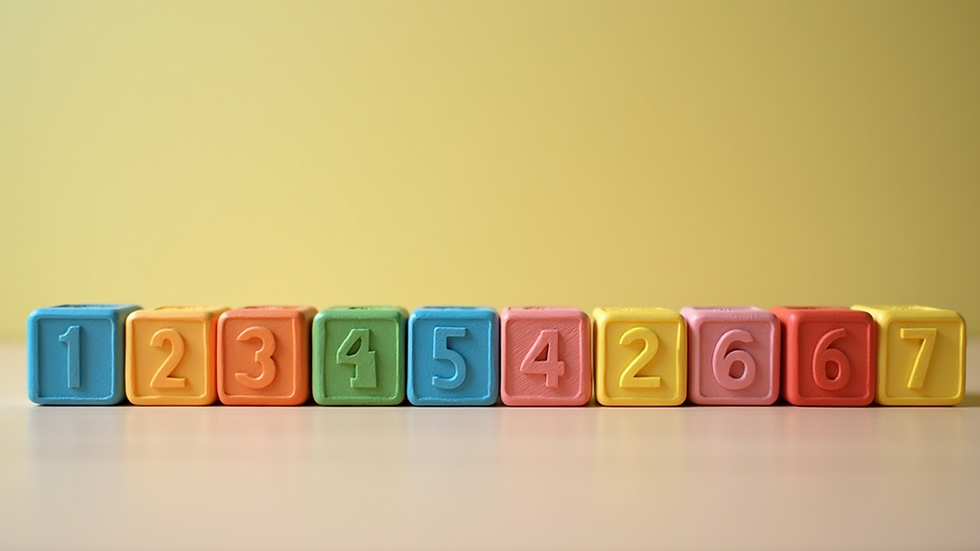
Enhance the reading experience with props. For instance, use small toys or counting blocks to represent the items in the story, allowing children to visualize the math concepts.

Creating a Math-Rich Environment
In addition to reading, creating a math-rich environment at home can further support preschool math skills. Here are some ideas:
Math Centers
Set up a designated area with math-related activities, such as:
Counting Games: Use everyday objects like buttons or blocks for counting exercises.
Shape Sorting: Provide various shapes for sorting and matching activities.
Incorporate Math into Daily Routines
Integrate math into daily activities to reinforce concepts. For example:
Cooking Together: Use measuring cups to teach fractions and counting.
Shopping Trips: Involve children in counting items and comparing prices.
Encourage Playful Learning
Play is a powerful tool for learning. Engage children in games that involve math skills, such as:
Board Games: Games like "Chutes and Ladders" teach counting and number recognition.
Card Games: Simple card games can help with number recognition and basic addition.
The Role of Parents and Caregivers
Parents and caregivers play a vital role in fostering a love for math in preschoolers. Here are some tips for supporting math learning at home:
Be a Math Role Model
Show enthusiasm for math in everyday life. Use math language during conversations and demonstrate how math is used in various activities.
Read Together Regularly
Make reading a daily habit. Choose a variety of math-related books and discuss the concepts together.
Celebrate Progress
Acknowledge and celebrate your child's achievements, no matter how small. This positive reinforcement encourages a growth mindset and a love for learning.
Conclusion
Boosting preschool math skills through engaging books is a fun and effective way to lay a strong foundation for future learning. By choosing the right books, employing interactive reading strategies, and creating a math-rich environment, parents and caregivers can foster a love for math in their children. Remember, the goal is not just to teach math but to make it an enjoyable part of everyday life. So, grab a book, read together, and watch your child's math skills flourish!

Comments